WILL Buying Near an International School Mean Better Rental Returns?
VT SGPropertyAdvisory | Singapore Property Insights
“Buy near an international school. Expatriates will rent from you.”
It sounds logical. International-school families value convenience, shorter school runs and suitable family-sized homes. But for a Singapore property investor, the real question is: Does being closer to an international school actually translate into better rental returns?
The data suggests something more nuanced. International schools can create strong expatriate rental demand, but being within 1 km doesn’t automatically make a condo a better investment.
Rental Demand Is Not the Same as Rental Yield
A location can enjoy strong rental demand and still produce an average rental yield. Why? Because yield depends on both rental income and the price you paid for the property.
Rental yield = Rental income ÷ Property price
A condo commanding $5,500 monthly rent isn’t necessarily a better investment than one renting for $4,200 if you paid substantially more for it.
So instead of asking, “Is there an international school nearby?”, ask: “How much am I paying to access that rental demand?”
1. Woodlands: When a School Creates Its Own Rental Ecosystem
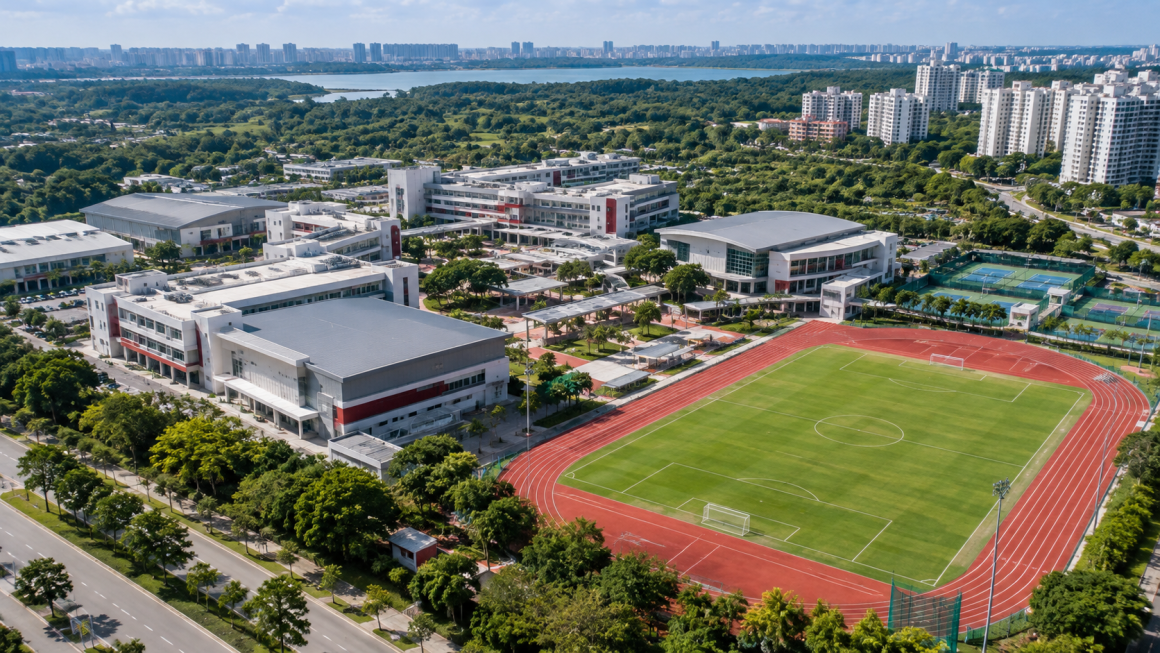
The area surrounding Singapore American School (SAS) produced one of the clearest differences in the analysed data. Two-bedroom condos within 1 km recorded approximately 4.84% net rental yield, compared with 3.57% at 1–2 km. For three-bedroom units, it was approximately 4.86% versus 3.57%.
Why might Woodlands behave differently? SAS is a major institution with thousands of students. This creates a concentrated pool of families who may value staying close to school, turning the surrounding neighbourhood into a distinct rental ecosystem.
Key takeaway: Some amenities support existing demand. Others actually create demand. Knowing the difference matters more than simply measuring 1 km.
2. Dulwich: Tenants Don’t Rent With a Ruler
Around Dulwich College Singapore, the difference was almost negligible. Two-bedroom median yields were approximately 3.43% within 1 km versus 3.44% at 1–2 km. Three-bedroom yields were similarly close at 3.30% versus 3.32%.
This is important because tenants don’t rent with a ruler. A family may happily stay 1.5 km away if they get a better layout, larger bedrooms, stronger facilities, easier transport or more attractive rent.
Key takeaway: For owner-occupiers, proximity has lifestyle value. For property investors, the numbers still need to work.
3. Dover & one-north: Multiple Tenant Engines
The Dover and one-north property market is interesting for a different reason. International schools aren’t the only source of rental demand. The wider area also benefits from one-north, Buona Vista, NUS, research and biomedical clusters, technology companies and major employment nodes.
This creates what I call multiple tenant engines. Instead of depending mainly on international-school families, suitable properties can appeal to professionals, researchers, academics, corporate tenants and families.
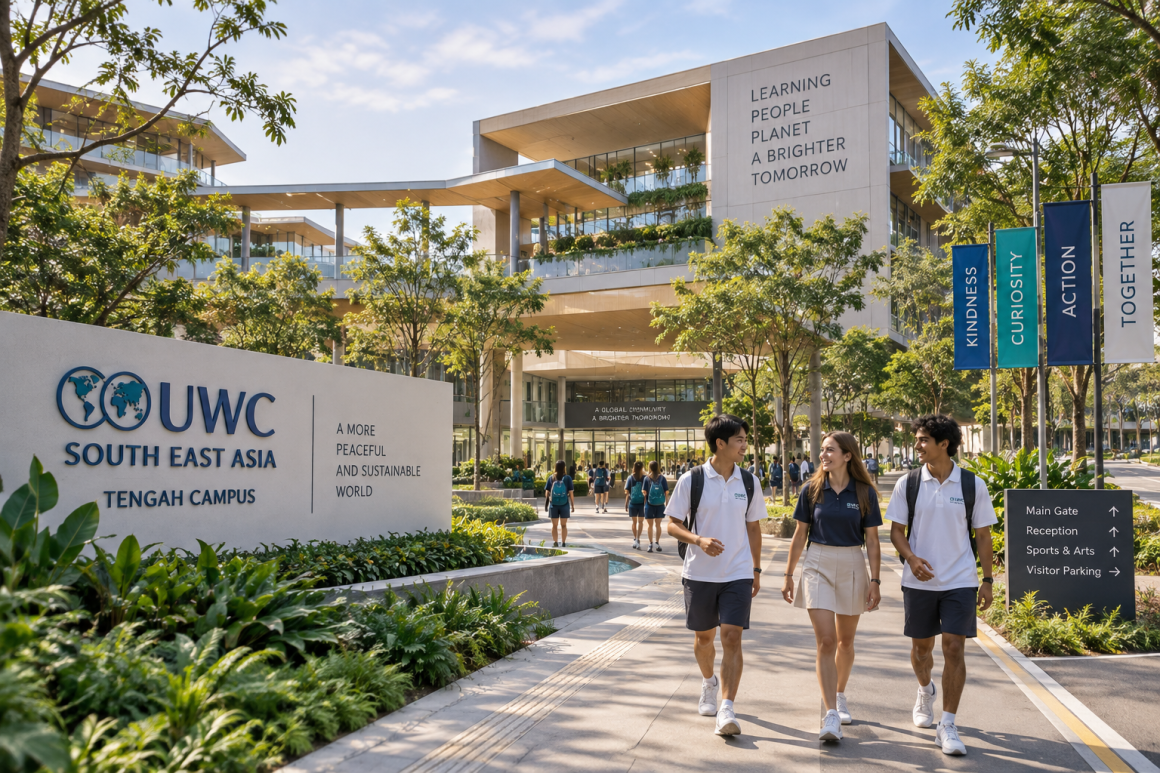
There’s also a future consideration: UWCSEA plans to relocate its Dover community to Tengah in 2032. If your entire investment thesis depends on one school, that’s a risk worth considering.
Key takeaway: Don’t only ask, “How high is my rental yield today?” Ask, “How resilient will my tenant pool be tomorrow?”
4. Woodleigh: Good Location Doesn’t Always Mean High Yield
Woodleigh offers MRT connectivity, newer condominiums and established amenities, yet some analysed rental yields were comparatively lower.
That doesn’t necessarily make these properties poor investments. Popular locations can command higher purchase prices, and when property prices rise faster than rents, rental yields compress.
A 3% yielding property isn’t automatically worse than one yielding 4%. The first may have stronger owner-occupier demand or different capital-growth characteristics; the second may offer better income but different trade-offs.
Key takeaway: A good property and a high-yield property aren’t necessarily the same thing.
5. Highest Rental Yield Doesn’t Always Mean Best Investment
Smaller condo units often produce higher percentage yields because their purchase prices are lower, while rents don’t fall proportionately with size.
But if your target tenant is an expatriate family with two children, a one-bedroom unit producing the highest theoretical yield may be the wrong product altogether.
For family tenants, consider bedroom sizes, efficient layouts, bathrooms, storage, helper or utility space, MRT connectivity, groceries and the daily school commute.
Key takeaway: Don’t just chase yield. Look for tenant-product fit.

What Should Singapore Property Investors Look For?
Instead of simply asking, “Which condo is nearest to an international school?”, I would focus on five questions:
1. Who is your target tenant? International-school family, professional, corporate tenant or couple?
2. How deep is the tenant pool? Is demand dependent on one institution, or supported by multiple sources?
3. What premium are you paying? Paying $200,000 more to collect another $200 a month in rent may not make investment sense.
4. Does the unit suit the tenant? Layout, size and daily convenience can matter more than being a few hundred metres closer.
5. What happens when you eventually sell? Schools relocate, employment nodes evolve, MRT connectivity improves and new condo supply enters the market. Your investment thesis needs to survive these changes.
Don’t Buy the Amenity. Buy the Demand.
An international school in Singapore can be a powerful rental-demand generator, but proximity alone isn’t an investment strategy.
Around Singapore American School, the data suggests a significant rental-yield difference closer to the school. Around Dulwich, the 1 km advantage is almost non-existent. Around Dover and one-north, the stronger investment story may be the combination of education, employment, connectivity and multiple tenant pools.
So instead of asking:
“What’s nearby?”
Ask:
“Who will consistently want to live here?”
“Why would they choose my unit over the alternatives?”
“How much am I paying today for that future demand?”
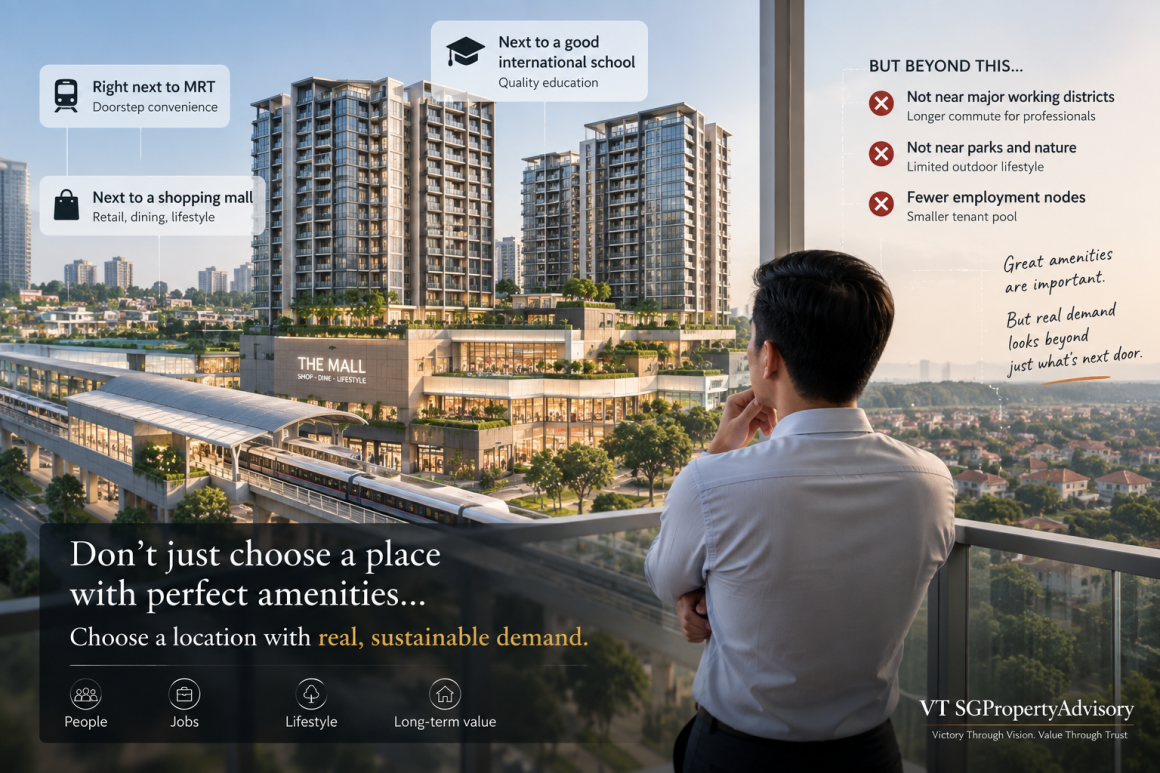
Because ultimately, you’re not buying an MRT station, school or shopping mall.
You’re buying future demand.
VT SGPropertyAdvisory
Victory Through Vision. Value Through Trust.
Property decisions shouldn’t begin with what’s trending. They should begin with your financial position, timeline and what your next property needs to achieve.
Considering your next Singapore property investment, upgrade or portfolio restructuring? Let’s look at the numbers and strategy before deciding on the property.
Disclaimer: Rental yields and market observations are based on available transaction and rental data and are for general information only. Historical rental yields and property performance do not guarantee future returns.